autismawareness

From Curriculum to Capacity: Neurodiversity, Autism, and the Reality of Australian Classrooms By Susan George

Walk into almost any Australian classroom today, and you will see a something’s changing. More kids than ever are being recognised as neurodivergent. Some with formal diagnoses like autism, ADHD, and others with sensory processing differences, learning disabilities, or overlapping profiles that do not always fit neatly into diagnostic boxes. This change isn’t just a matter of numbers; it is a real cultural change. Schools are where the old way of thinking about neurodivergent kids as having a disorder are being challenged by...

Neurodiversity: Stimming and Sensory Overload By Susan George

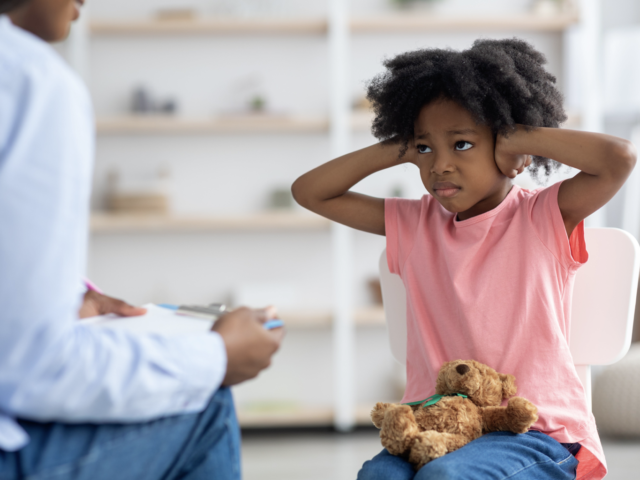
For those on the autism spectrum and with other neurological differences, the world can often be an intense sensory experience. Everyday sights, sounds, smells, textures and tastes that may go unnoticed by neurotypical individuals can be amplified and overwhelming for neurodivergent people. This sensory overload can lead to meltdowns, shutdowns, and a desperate need to stim (self-stimulatory behaviour) to regain...

Masking in Autism and its Consequences By Jess & James

What is masking? Masking is the effort that is put in by people with autism to appear neurotypical – to “fit in”. While masking is very apparent in autism, it is important to note that many other neurodiverse conditions e.g. ADHD etc involve masking too. Some examples of masking include: Forcing or faking eye contact during conversations Imitating smiles and other...